

John Doe
john.doe@example.com
John Doe
john.doe@example.com



NEWS

November 24, 2024
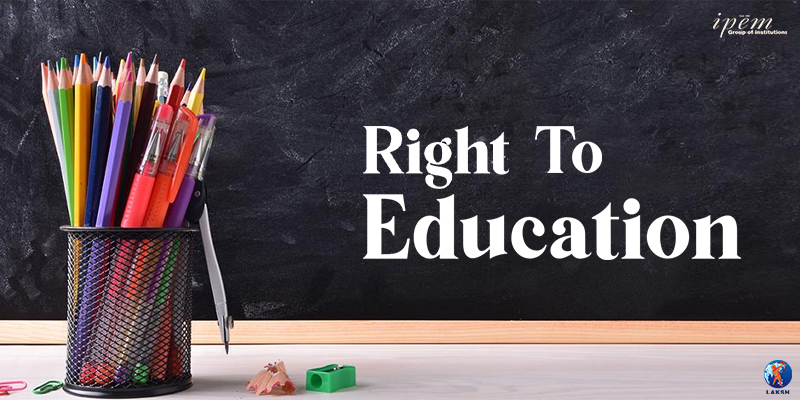
By Unknown2 min readWith teacher shortages, overcrowded classrooms, and rising student needs, stakeholders are urging the government to prioritize education in its budgetary allocations.

Kenya's government has allocated a significant portion of its budget to education, traditionally around 25%. However, education experts argue that this funding is insufficient given the rising enrollment rates, particularly under the Competency-Based Curriculum (CBC).
This curriculum demands more resources, such as specialized teacher training, infrastructure expansion, and modern learning materials.
Teacher shortages remain one of the most pressing issues. According to the Teachers Service Commission (TSC), Kenya needs over 100,000 additional teachers to meet the demands of its growing student population.
Inadequate staffing has led to overcrowded classrooms, undermining the quality of education and putting immense pressure on existing teachers.
Students in underfunded schools often lack basic amenities, including desks, books, and access to digital resources. This disparity is particularly stark in rural areas, where schools struggle to meet even minimum standards.
Urban schools face different challenges, such as overcrowding and stretched facilities, making it difficult for students to thrive academically.
Teachers, on the other hand, grapple with low morale due to overwhelming workloads and stagnant salaries. Many are forced to manage large classrooms, sometimes exceeding 70 students per teacher, which affects their ability to provide individual attention.
Education stakeholders, including unions like the Kenya National Union of Teachers (KNUT), have demanded increased budgetary allocations. They propose investing in:
Civil society groups have also raised concerns about inequalities in education funding, urging the government to focus on marginalized areas. They argue that education is a fundamental right and advocate for policies that promote equitable resource distribution.
While the government plays a central role, partnerships with the private sector and international organizations are crucial.
Programs like the World Bank’s Global Partnership for Education have already supported Kenya in improving access to education, but scaling such initiatives is necessary to meet growing demands.
As Kenya prepares its next budget, education funding remains a pivotal issue. Policymakers must balance competing priorities, including healthcare, infrastructure, and debt repayment while ensuring that education receives adequate attention.
Failure to address the funding gaps could exacerbate inequalities and hinder the nation’s development goals.
Kenya’s future hinges on its investment in education. Addressing teacher shortages, improving infrastructure, and equipping schools with resources will not only uplift students but also strengthen the nation’s human capital.
By prioritizing education, Kenya can empower the next generation to drive the country’s progress and innovation.
RECOMMENDED FOR YOU

20 mins ago
122 min read

20 mins ago
122 min read

20 mins ago
102 min read

20 mins ago
102 min read
20 mins ago
122 min read

20 mins ago
102 min read

20 mins ago
122 min read
20 mins ago
122 min read

20 mins ago
122 min read

20 mins ago
72 min read
Related Posts
See All >
20 mins ago
122 min read
20 mins ago
122 min read
20 mins ago
102 min read
20 mins ago
102 min read
20 mins ago
122 min read
20 mins ago
102 min read
20 mins ago
122 min read
20 mins ago
122 min read
20 mins ago
122 min read
20 mins ago
72 min read

20 mins ago
122 min read

20 mins ago
122 min read

20 mins ago
122 min read
20 mins ago
82 min read

20 mins ago
102 min read

20 mins ago
102 min read
20 mins ago
72 min read
20 mins ago
82 min read

20 mins ago
122 min read

20 mins ago
152 min read

20 mins ago
122 min read

20 mins ago
72 min read
20 mins ago
72 min read

20 mins ago
122 min read

20 mins ago
122 min read
20 mins ago
122 min read

20 mins ago
122 min read
20 mins ago
82 min read
20 mins ago
122 min read

20 mins ago
122 min read

20 mins ago
102 min read

20 mins ago
102 min read