

John Doe
john.doe@example.com
John Doe
john.doe@example.com



NEWS

November 27, 2024
By Unknown2 min readThe Finance Bill 2024 will undergo parliamentary debate before its potential enactment. While the government argues that these measures are necessary to meet developmental goals, public backlash, and political resistance may influence its final form.

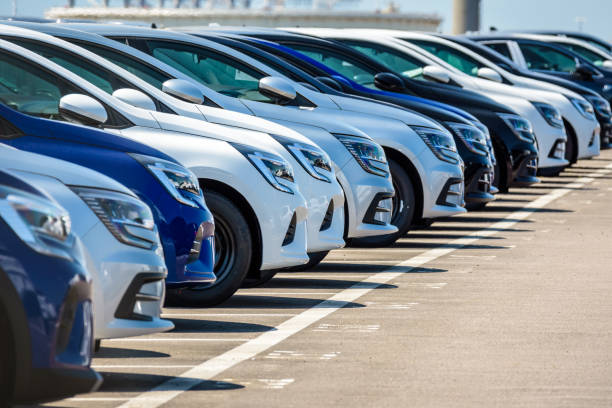
The Finance Bill 2024 has introduced a controversial annual motor vehicle tax. This levy will be calculated as 2.5% of the vehicle's value, with a minimum of Ksh 5,000 and a maximum of Ksh 100,000.
Owners must pay this tax during insurance renewal. While ambulances and government-owned vehicles are exempt, this policy could impose significant financial burdens on ordinary Kenyans.
For instance, owning a car valued at Ksh 1 million could result in a Ksh 25,000 annual tax.
Critics argue this measure may constitute double taxation, as motorists already pay excise duty on fuel and other associated taxes. KRA defends the proposal, stating it aims to improve tax compliance by identifying individuals and businesses evading income taxes
KRA Deputy Commissioner Maurice Oray has faced tough public scrutiny over the rationale behind this proposal. During a recent interview, he explained that the policy targets Kenya's largely informal economy, where many individuals with significant expenditures, such as car ownership, do not fully declare taxable income. However, experts and politicians like MP John Mbadi have criticized the approach, highlighting its potential unfairness and inefficiency in addressing revenue collection gaps
The debate extends to the broader regulatory framework affecting vehicle ownership in Kenya. The Finance Bill proposes additional duties on imported motorcycles and other measures that could increase the cost of ownership.
These developments come against the backdrop of KRA's struggles to meet revenue collection targets, which fell short by Ksh 270 billion in the last fiscal year
The Finance Bill 2024 will undergo parliamentary debate before its potential enactment. While the government argues that these measures are necessary to meet developmental goals, public backlash, and political resistance may influence its final form.
Vehicle owners and taxpayers are encouraged to follow the debate closely and provide feedback during public consultations.
These proposals reflect the delicate balance between expanding Kenya’s tax base and avoiding overburdening citizens already grappling with high living costs
RECOMMENDED FOR YOU

20 mins ago
122 min read

20 mins ago
122 min read

20 mins ago
102 min read

20 mins ago
102 min read

20 mins ago
122 min read

20 mins ago
102 min read

20 mins ago
122 min read

20 mins ago
122 min read

20 mins ago
122 min read

20 mins ago
72 min read
Related Posts
See All >
20 mins ago
122 min read
20 mins ago
122 min read
20 mins ago
102 min read
20 mins ago
102 min read
20 mins ago
122 min read
20 mins ago
102 min read
20 mins ago
122 min read
20 mins ago
122 min read
20 mins ago
122 min read
20 mins ago
72 min read
20 mins ago
122 min read
20 mins ago
122 min read

20 mins ago
122 min read
20 mins ago
82 min read

20 mins ago
102 min read

20 mins ago
102 min read

20 mins ago
72 min read

20 mins ago
82 min read
20 mins ago
122 min read

20 mins ago
152 min read

20 mins ago
122 min read

20 mins ago
72 min read

20 mins ago
72 min read

20 mins ago
122 min read

20 mins ago
122 min read
20 mins ago
122 min read

20 mins ago
122 min read

20 mins ago
82 min read
20 mins ago
122 min read

20 mins ago
122 min read

20 mins ago
102 min read

20 mins ago
102 min read